
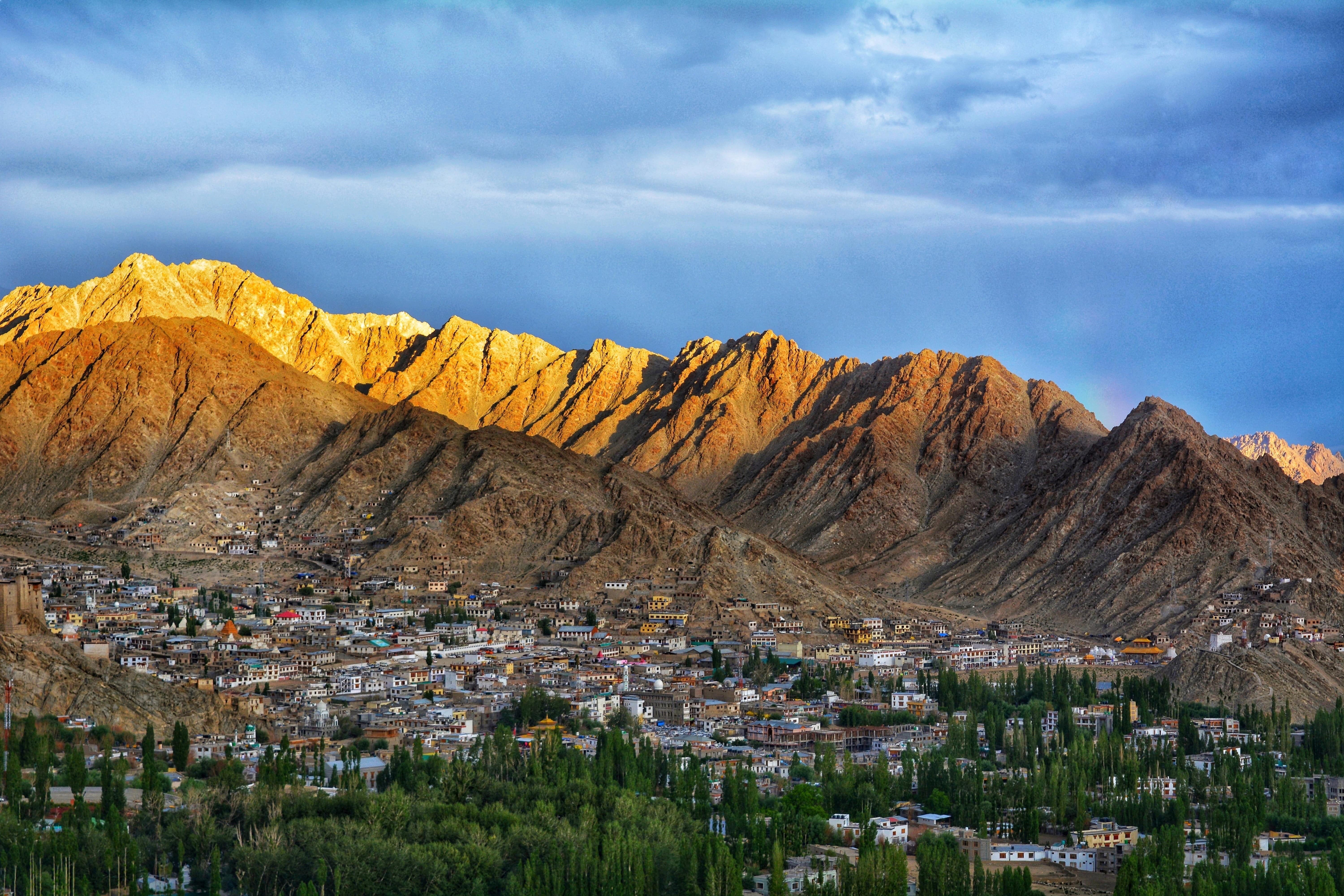
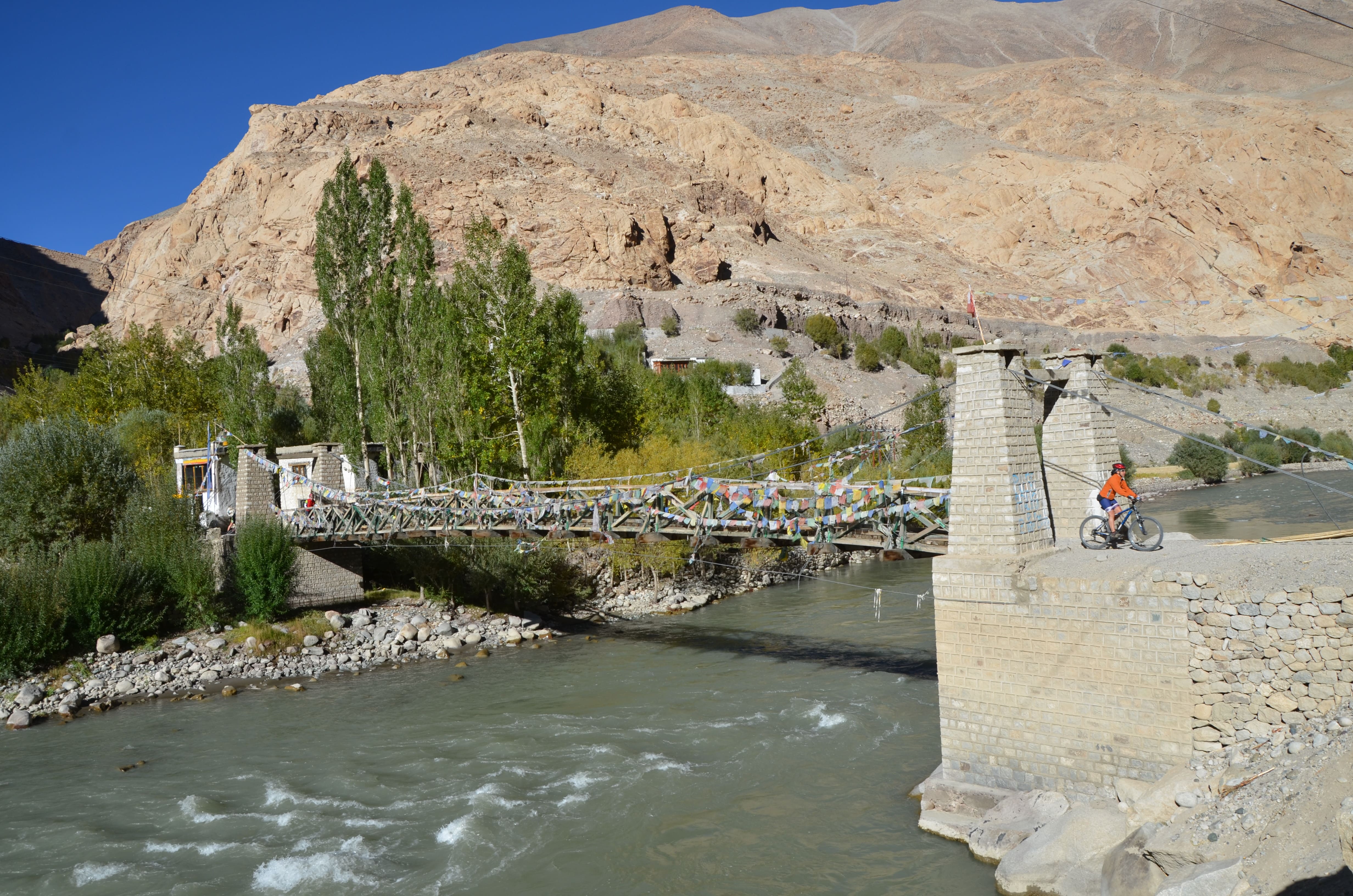
Ladakh /ləˈdɑːk/ is situated at an altitude of 3500 meters and known the Roof of the World. Located between the Karakoram range and the main Himalaya to the south, the range extends from the Siachen Glacier to the main Himalaya.
The classical name Tibetan: ལ་དྭགས, Wylie: La dwags, THL: la dak means the "land of high passes". Ladakh was known as the Great Tibet. Baltistan and other trans-Himalayan states in Kashmir were known as the Little Tibets.
-
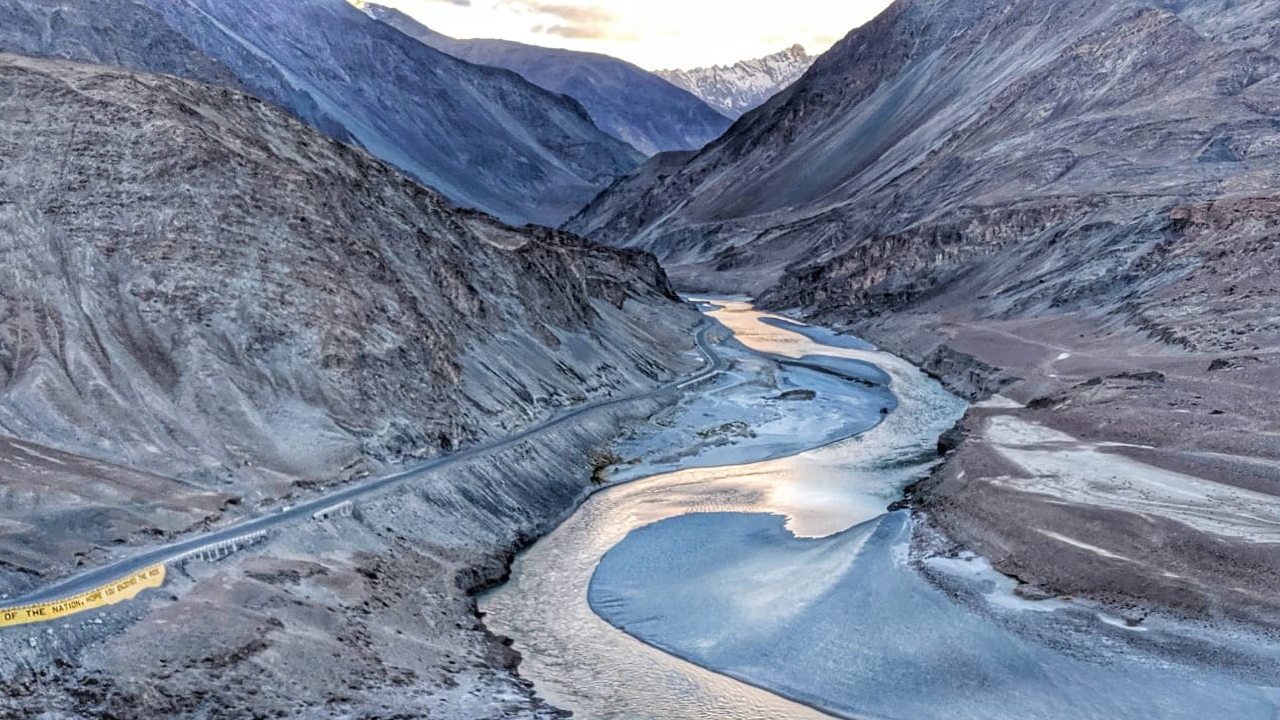
Confluence of Zanskar & Indus
Greeted by the panoramic Splendor of the wide open Nimo Valley, is where the Indus converges with the Zanskar.
-
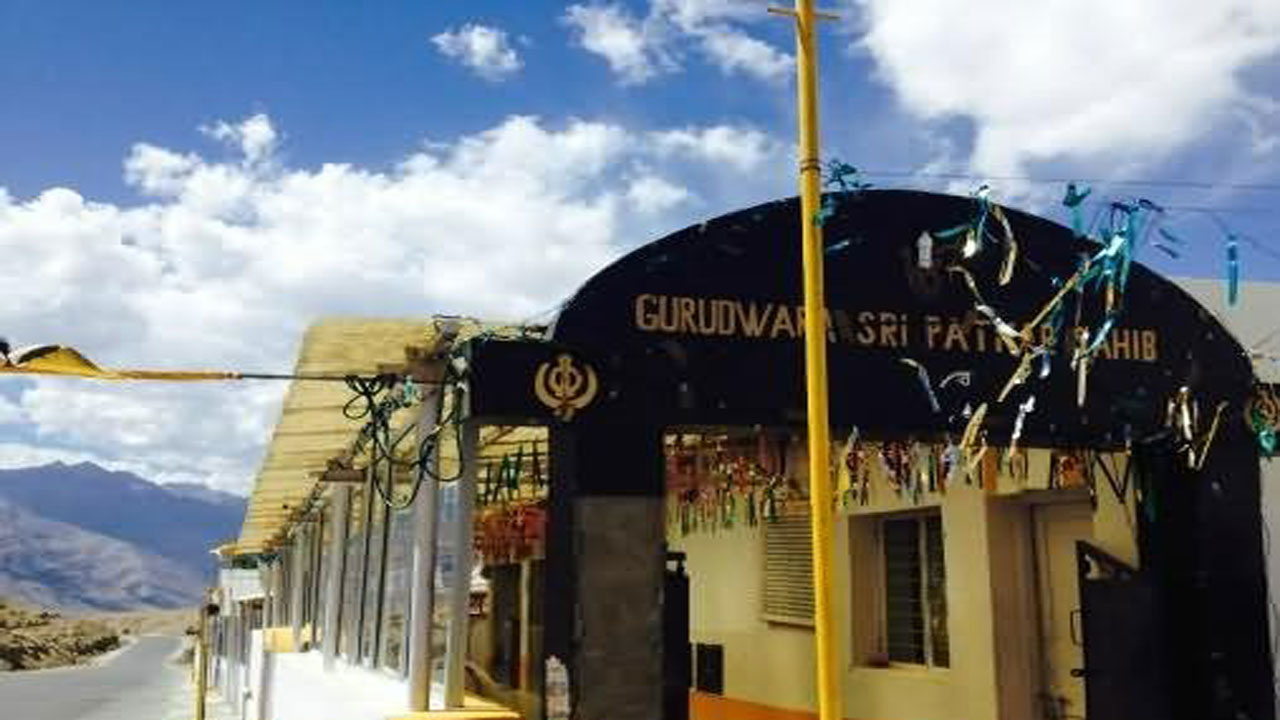
Gurudwara Sri Pathar Sahib
Drop into the shrine at Gurudwara Sri Pathar Sahib which is beautifully constructed & 26 kms from Leh and now maintained Gurudwara by the army in the memory of Guru Nanak. The site is revered by both the local Lamas and Sikh community.
-
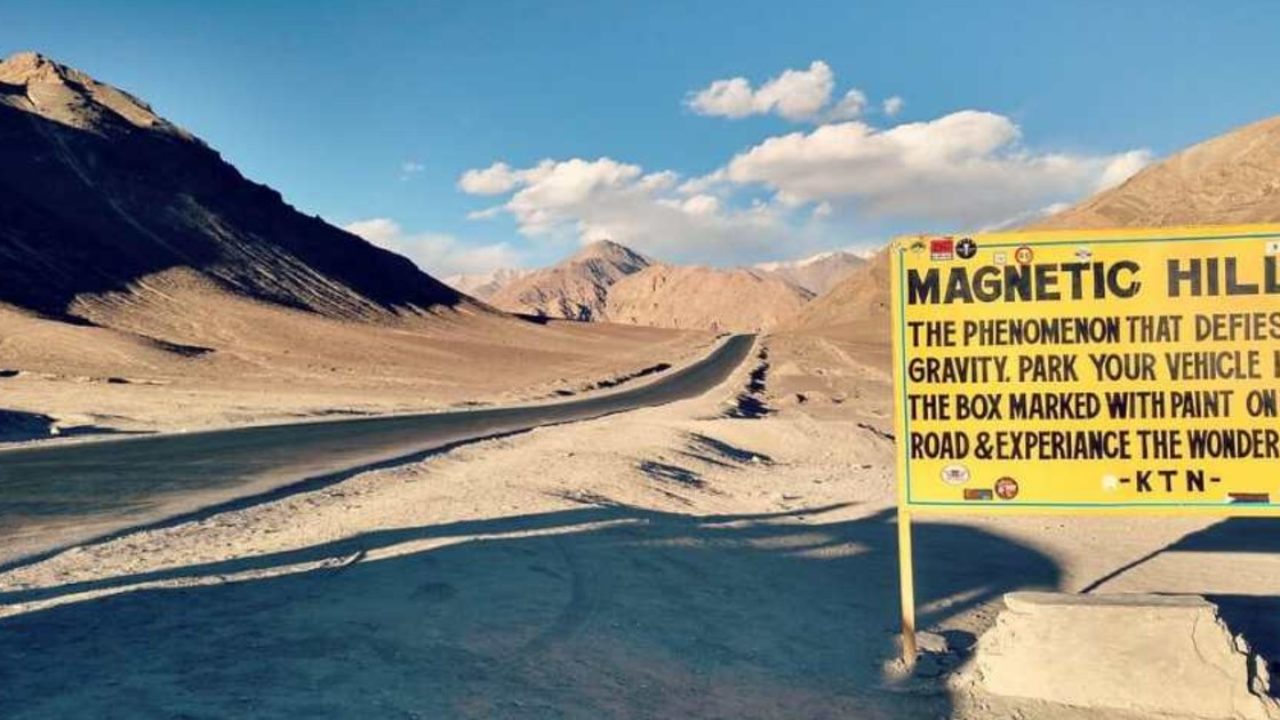
Magical Magnetic Hill
A little further down, is yet another mystifying phenomenon locally referred to as the “MAGNETIC HILL” which is often accompanied by claims that magnetic or even supernatural forces are at work there; a road sign board invites you to be a part of and experience this mystifying phenomenon first hand.
-
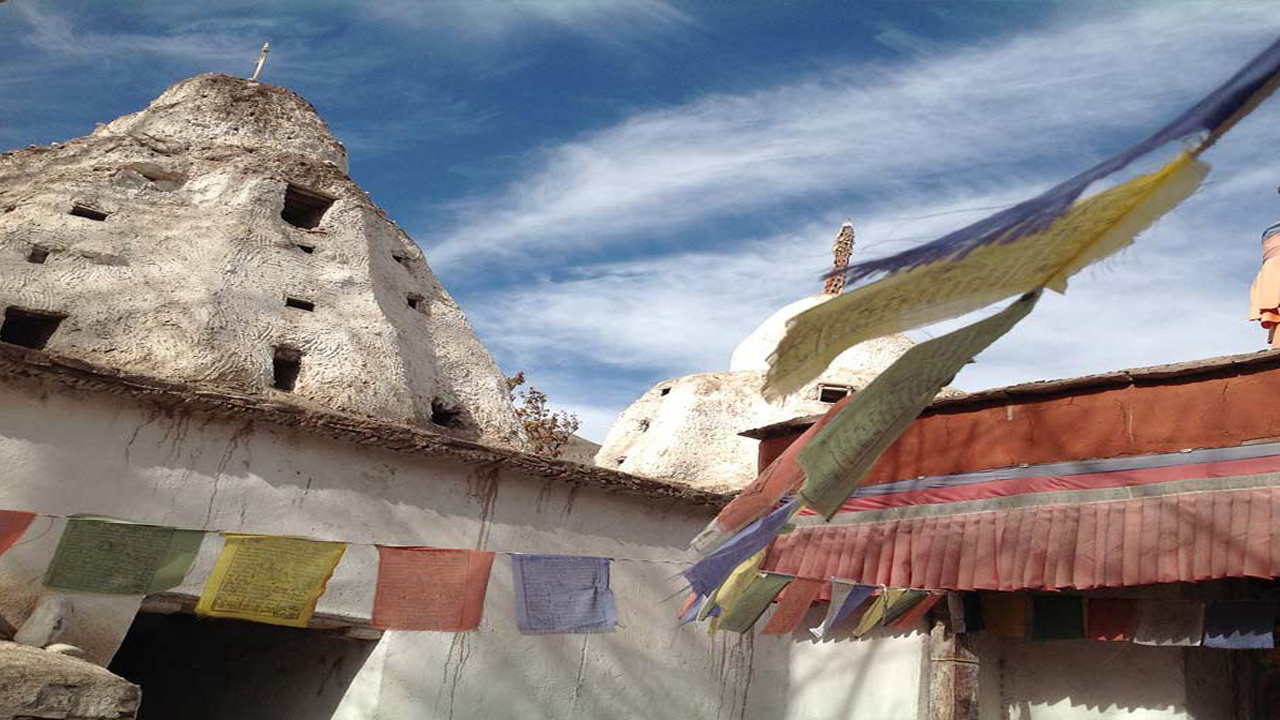
Alchi Monastery
Built in the 11th century, this monastery was founded by Ringchen Zangpo - the Great Translator. The Alchi Gompa displays a Kashmiri influence in its art and architecture. Within the monastery you will see beautiful Tibetan and Gandhara style murals of Ladakh, frescos and images of the Buddha.
-
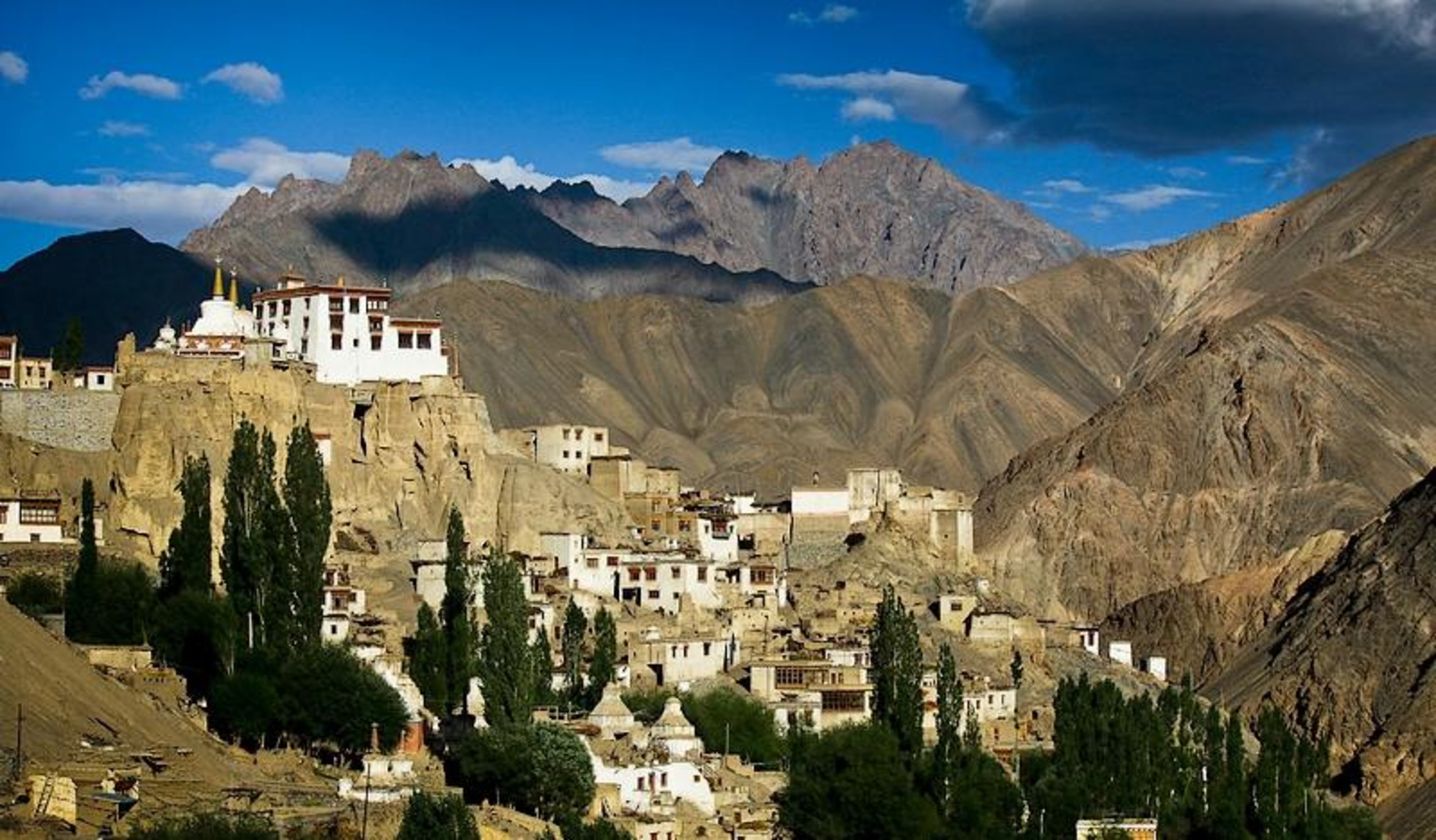
Lamayuru – The Moonland of Ladakh
Moonlike landscapes carved into the Greater Himalayas are its claim to fame. Visit the beautiful Lamayuru Monastery.
-
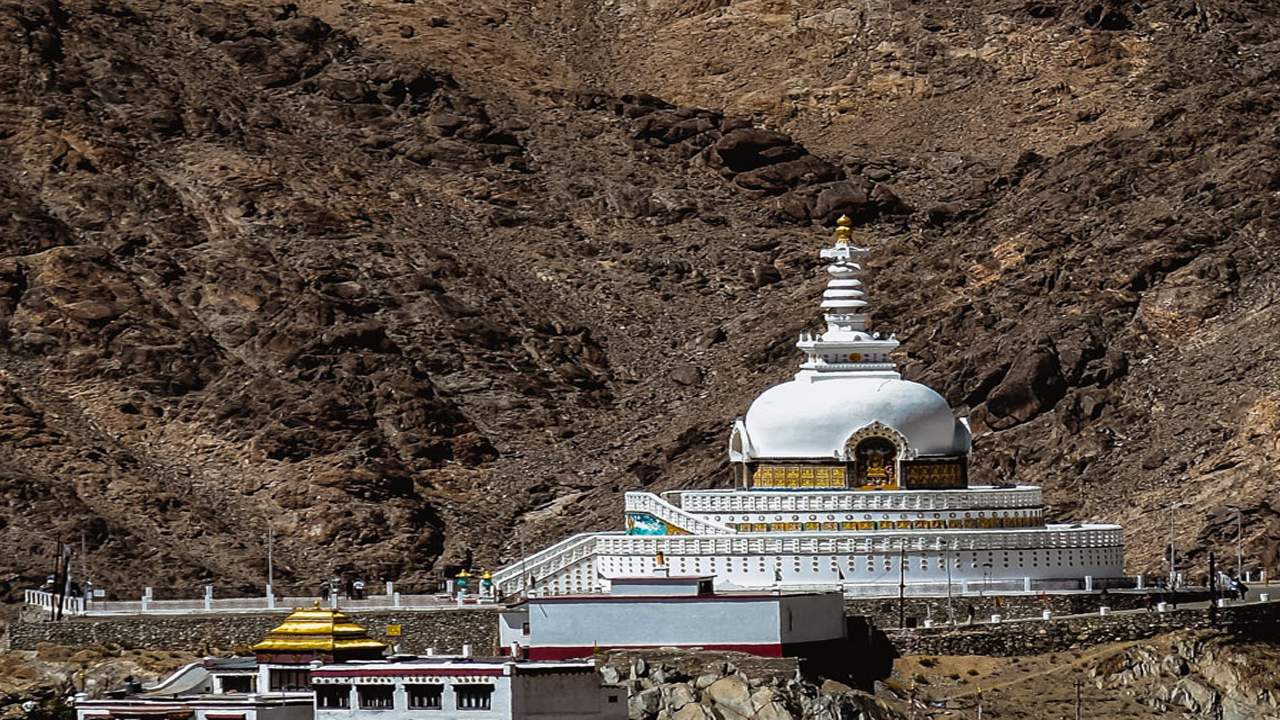
Shanti Stupa
A Buddhist monument situated on a hilltop in Chanspa was built in 1991 by Japanese Buddhist Bhikshu, Gyomyo Nakamura and part of the Peace Pagoda mission. The Shanti Stupa holds the relics of the Buddha at its base, enshrined by the 14th Dalai Lama.
-
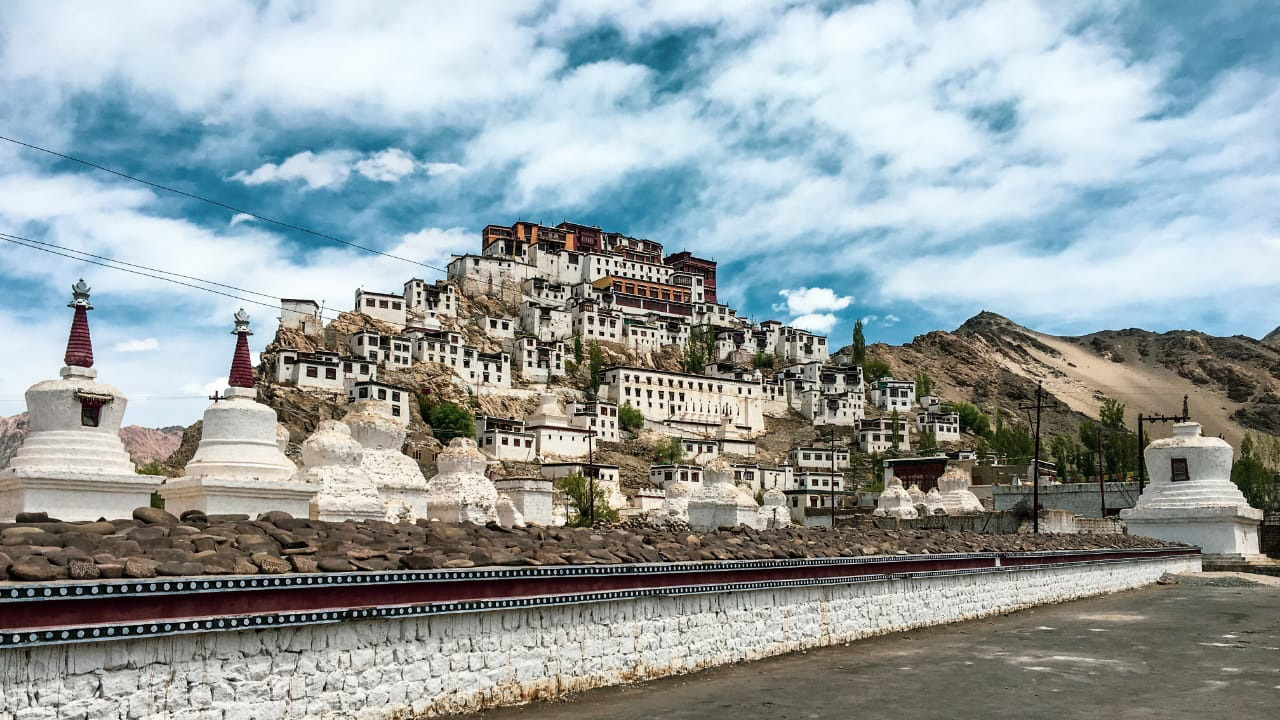
Thiksey Monastery
This beautiful monastery houses a two storey statue of the Maitreya Buddha seated on a lotus and boasts of a spectacular view of the Leh valley. It is noted for its resemblance to the Potala Palace in Lhasa, Tibet.
-
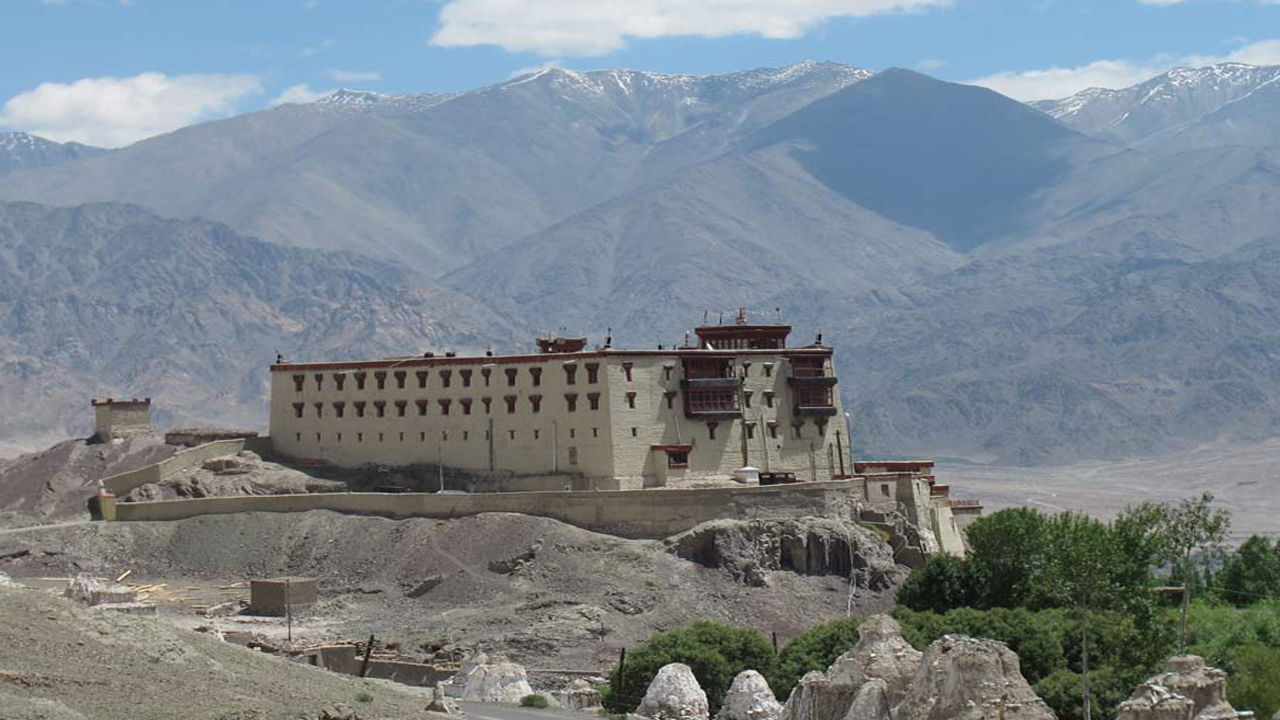
Stok Palace
Towering over a hill overlooking the valley of Singey Sangpo, popularly known as the Indus River, the 200-year old Stok Palace is an endearing landmark, historically, aesthetically, architecturally and socially.
-
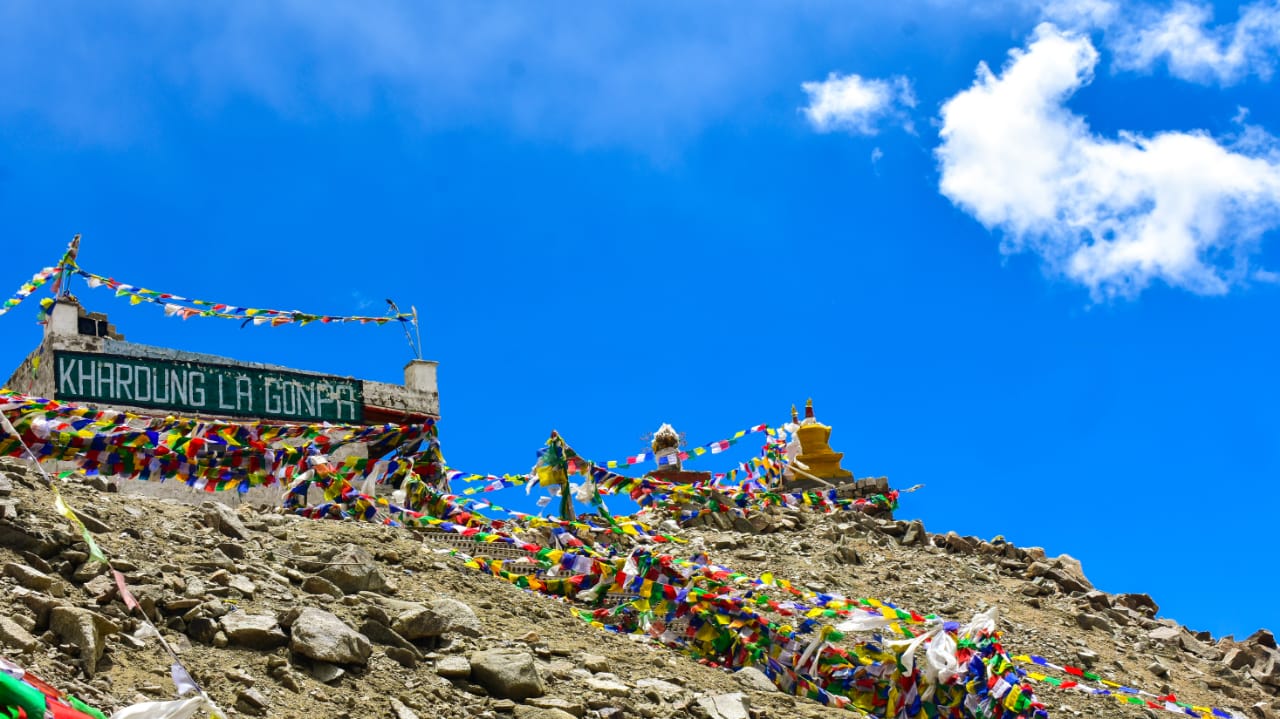
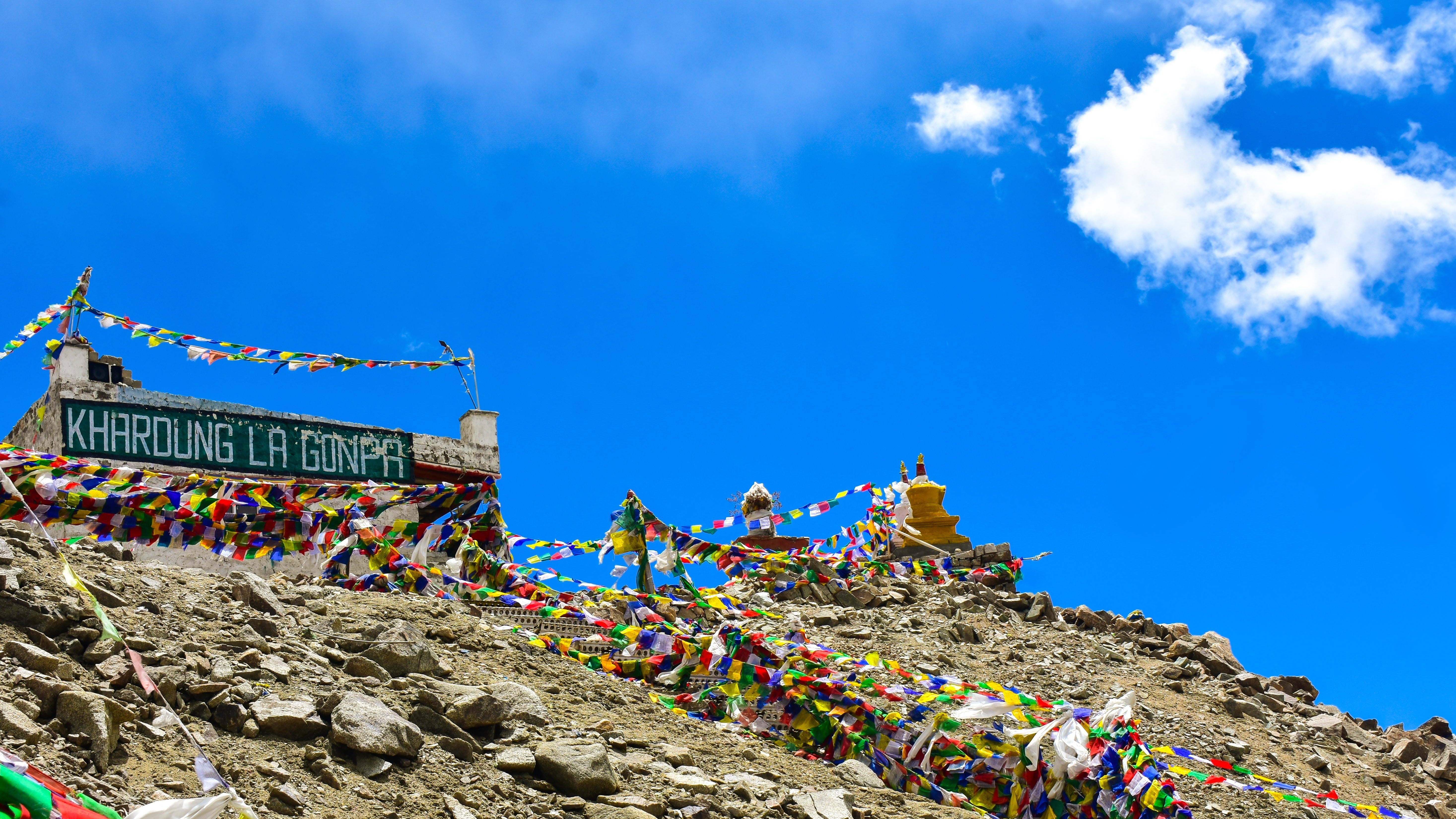
Khardung La
This pass on the Ladakh Range lies North of Leh and is the gateway to the Shyok and Nubra Valleys. Khardung La Pass (5570 mtrs / 18,381 ft.) is considered to be the highest motorable pass in the world.
-
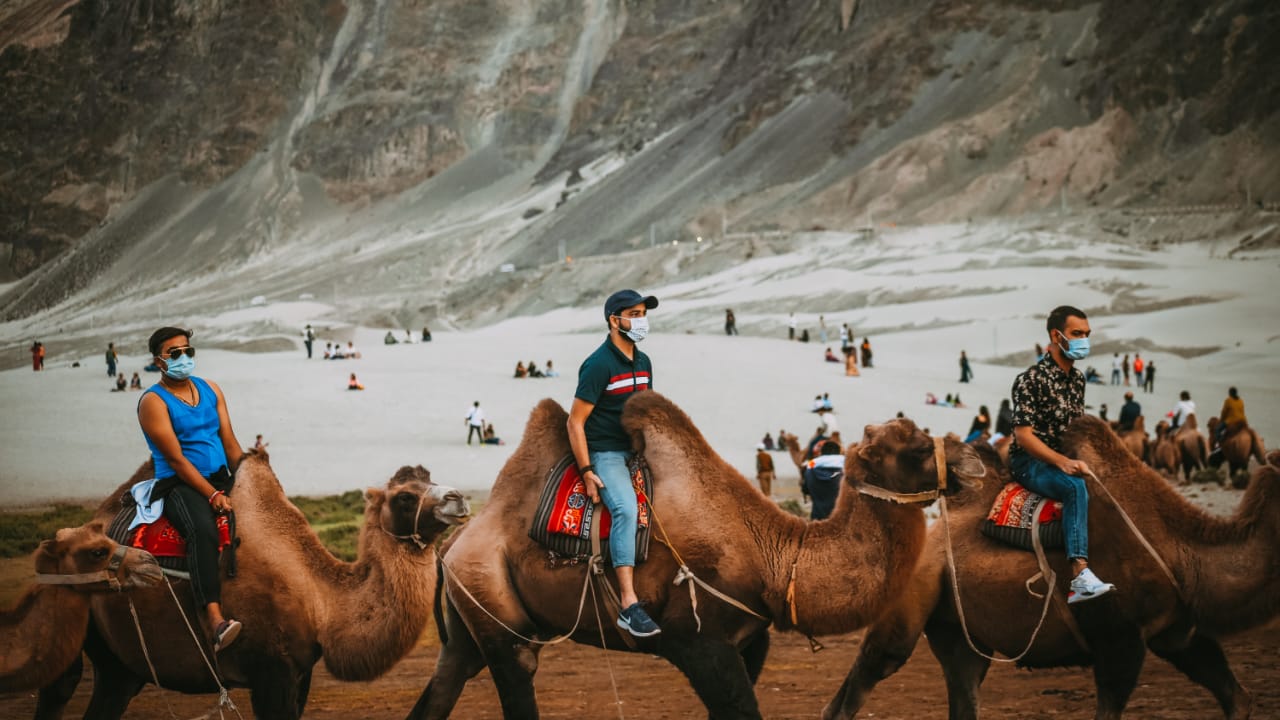
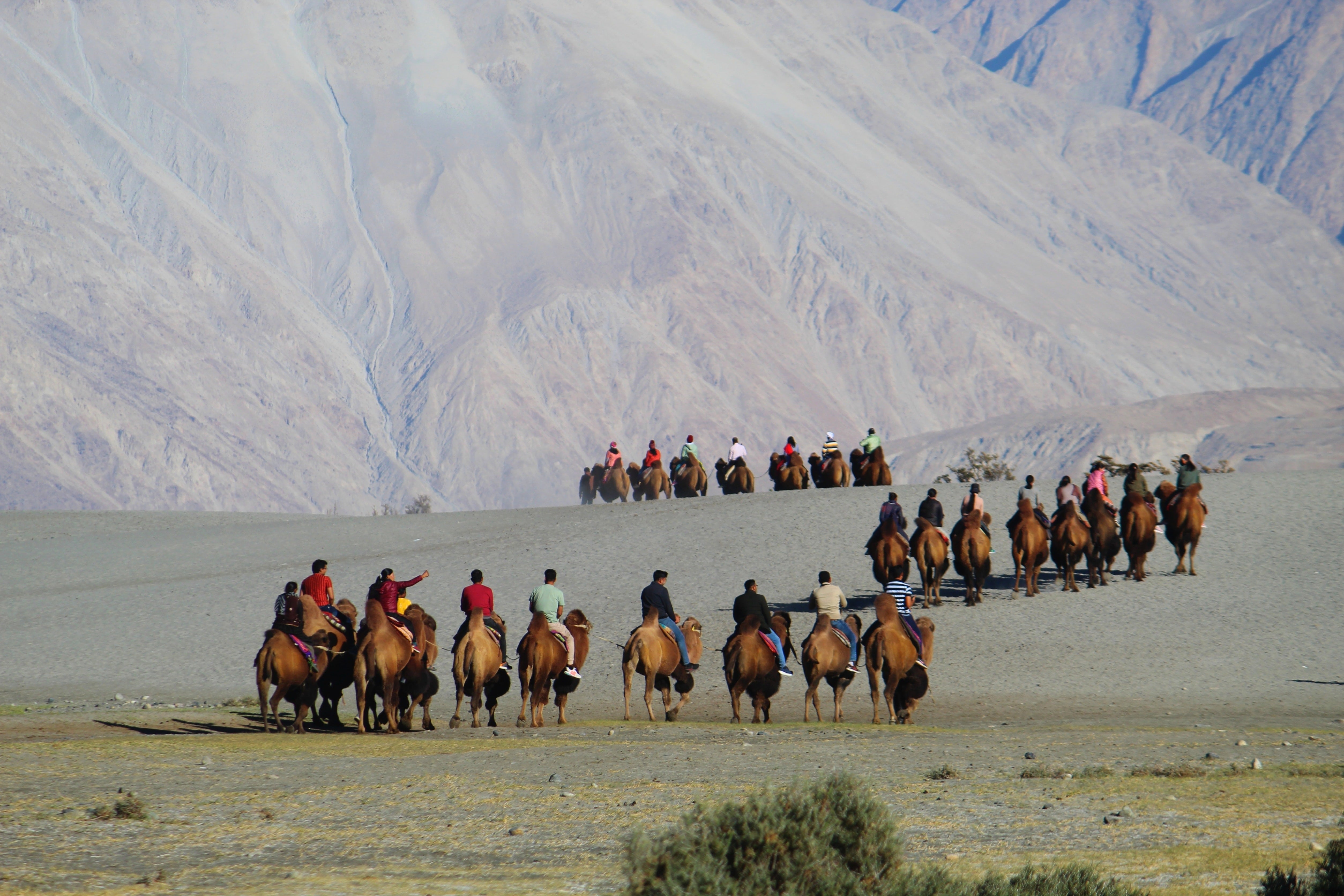
Hunder Sand Dunes
Stark, beautiful and remote, the Hunder Village is an oasis in the middle of a cold desert in Nubra Valley. It has acquired fame for its desert landscape and its sand dunes. Adventure enthusiasts come here to ride on the Bactrian camels, walk along the desert and take-in breath-taking natural beauty.
-
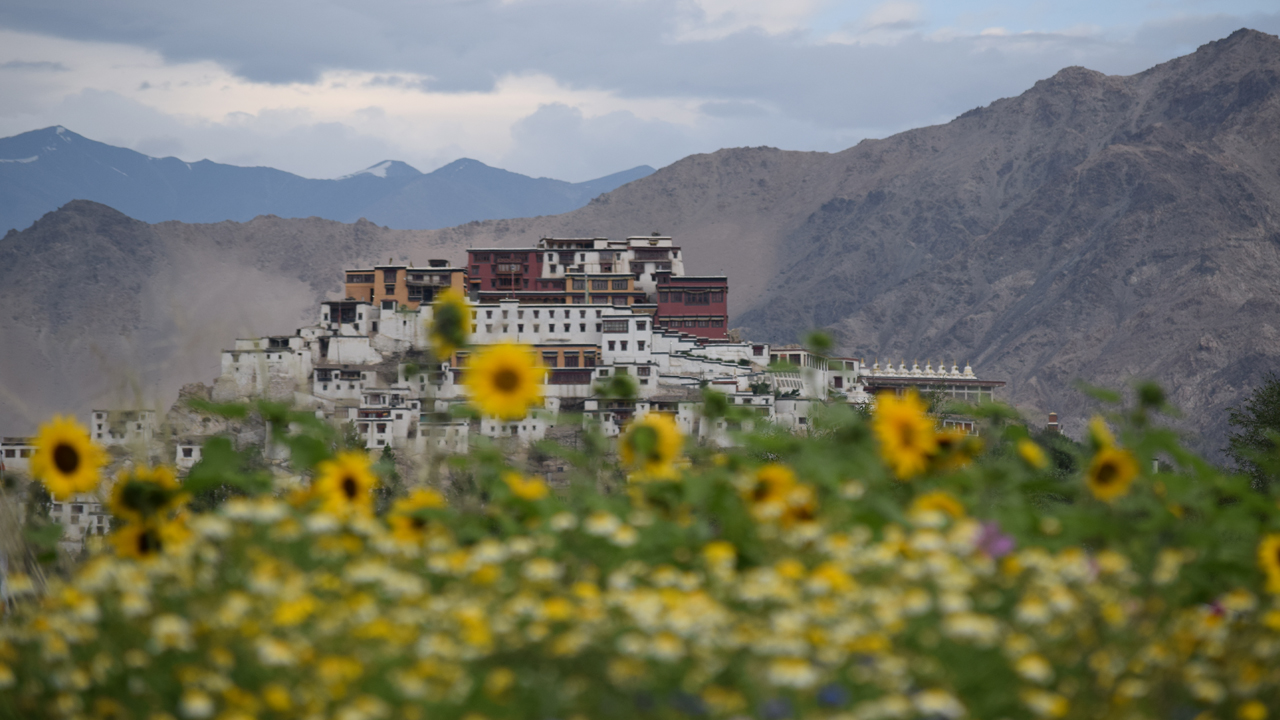
Diskit Monastery
Diskit Monastery is the oldest and largest Buddhist monastery in the Nubra Valley of Ladakh, was founded by Changzem Tserab Zangpo in 1420 AD, a disciple of Tsong Khapa, founder of Gelugpa (Yellow Hat) in the 14th Canetury. This beautiful Monastery is situated on the hill, just above the flood plains of the Shyok River, on it’s bank in the Diskit village (3144 meters) in Nubra Valley.
-
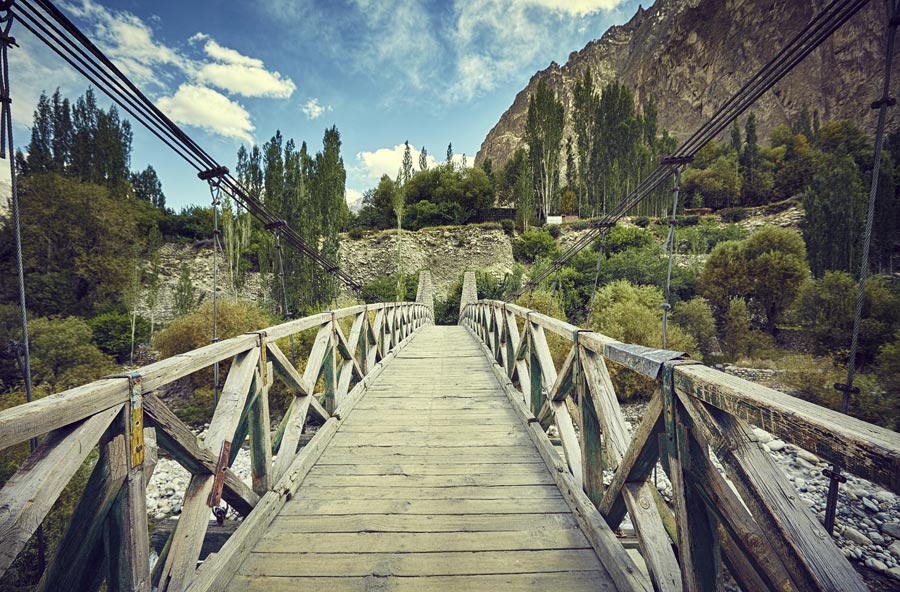
Turtuk – The last village
Turtuk is situated across the beautiful Shyok river in Ladakh. Take a stroll through the narrow lanes of Turtuk while enjoying mesmerising views of the water streams and green fields. Ensure a visit to Balti Heritage Home, Balti Museum and Turtuk Gompa to witness some of the most stunning views of the region.
-
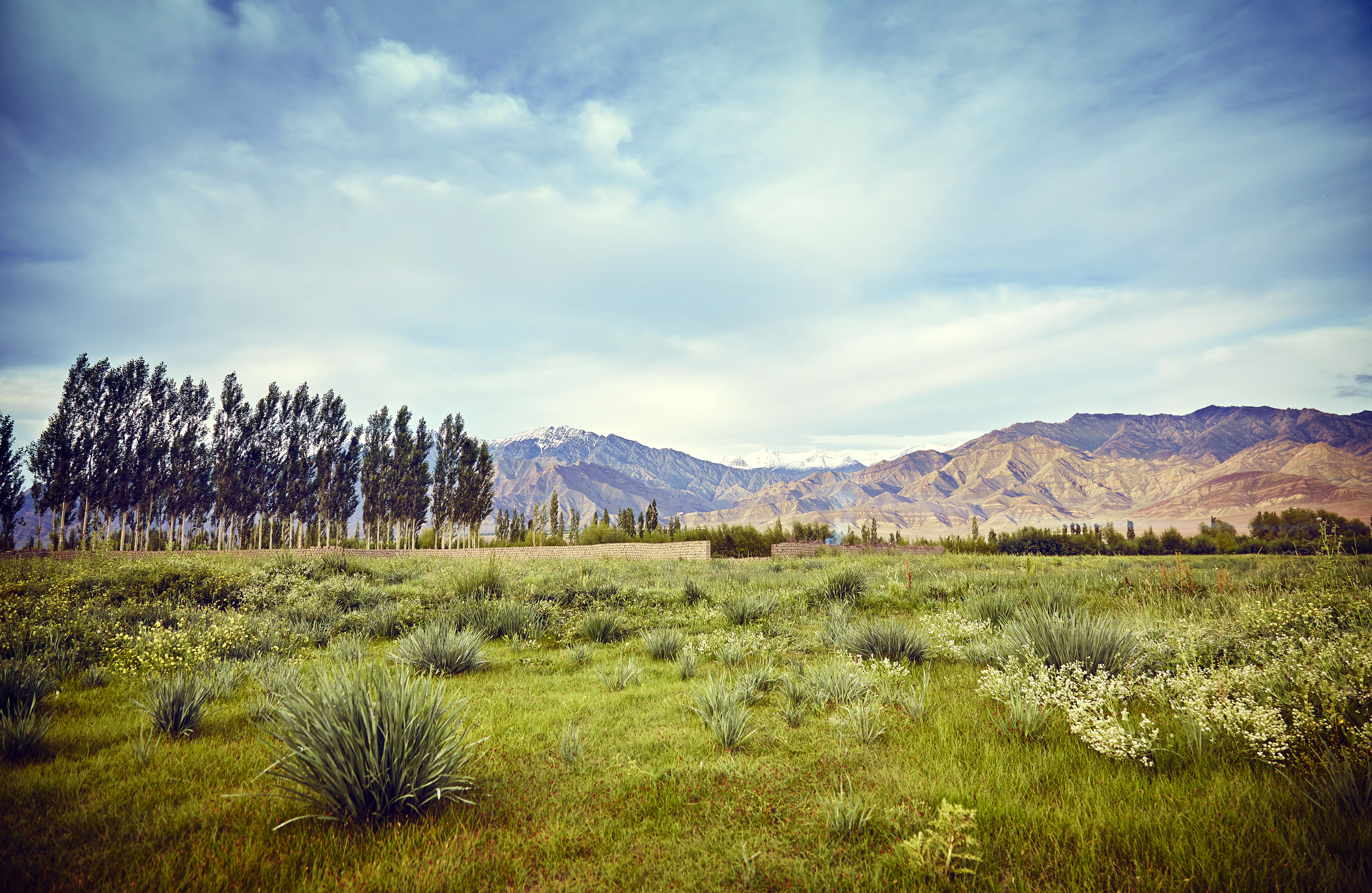
Sumur Village
Sumur is a very picturesque and peaceful village in the Nubra Valley of the Ladakh region in the Trans-Himalayan mountain range.
-
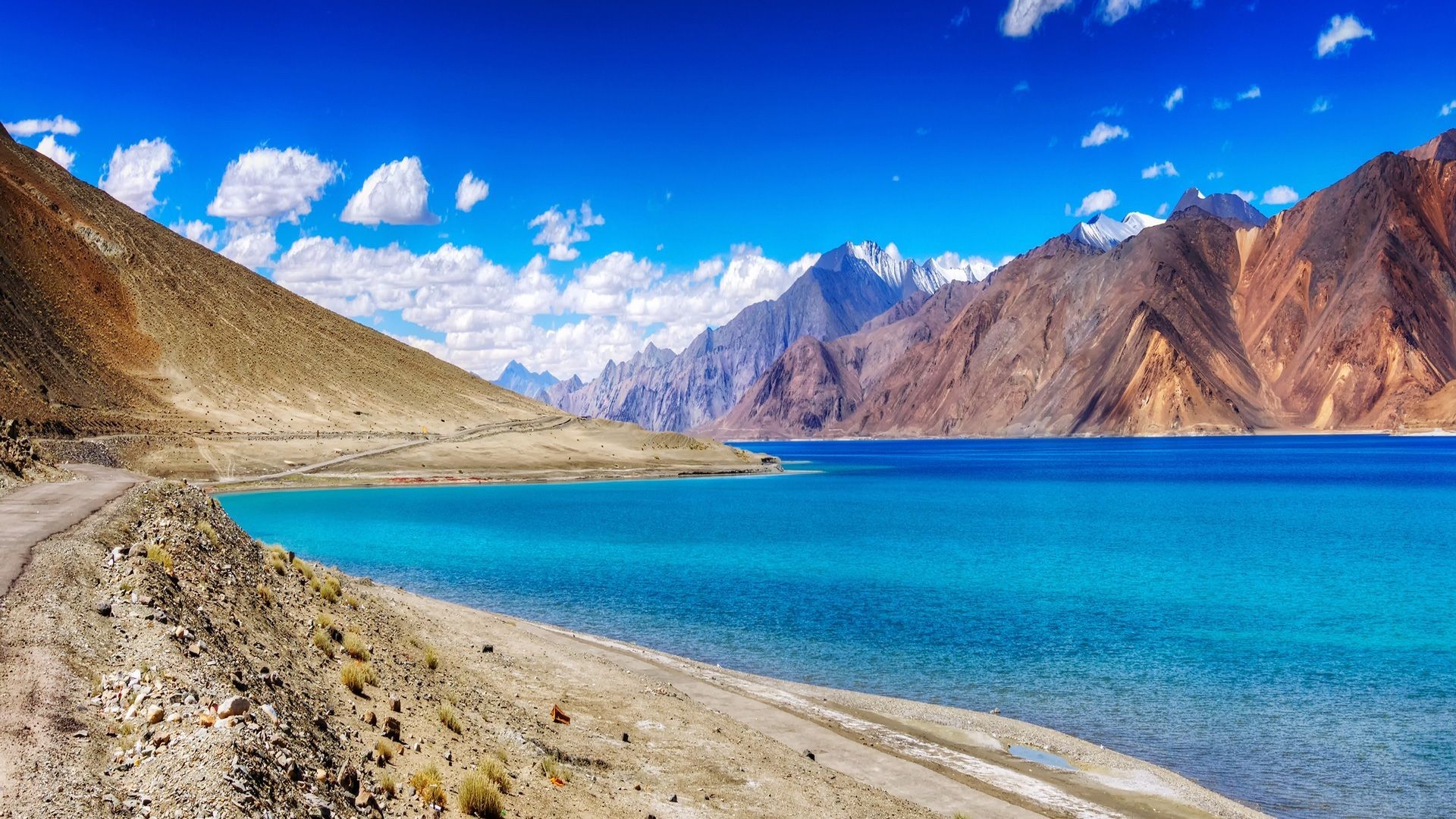
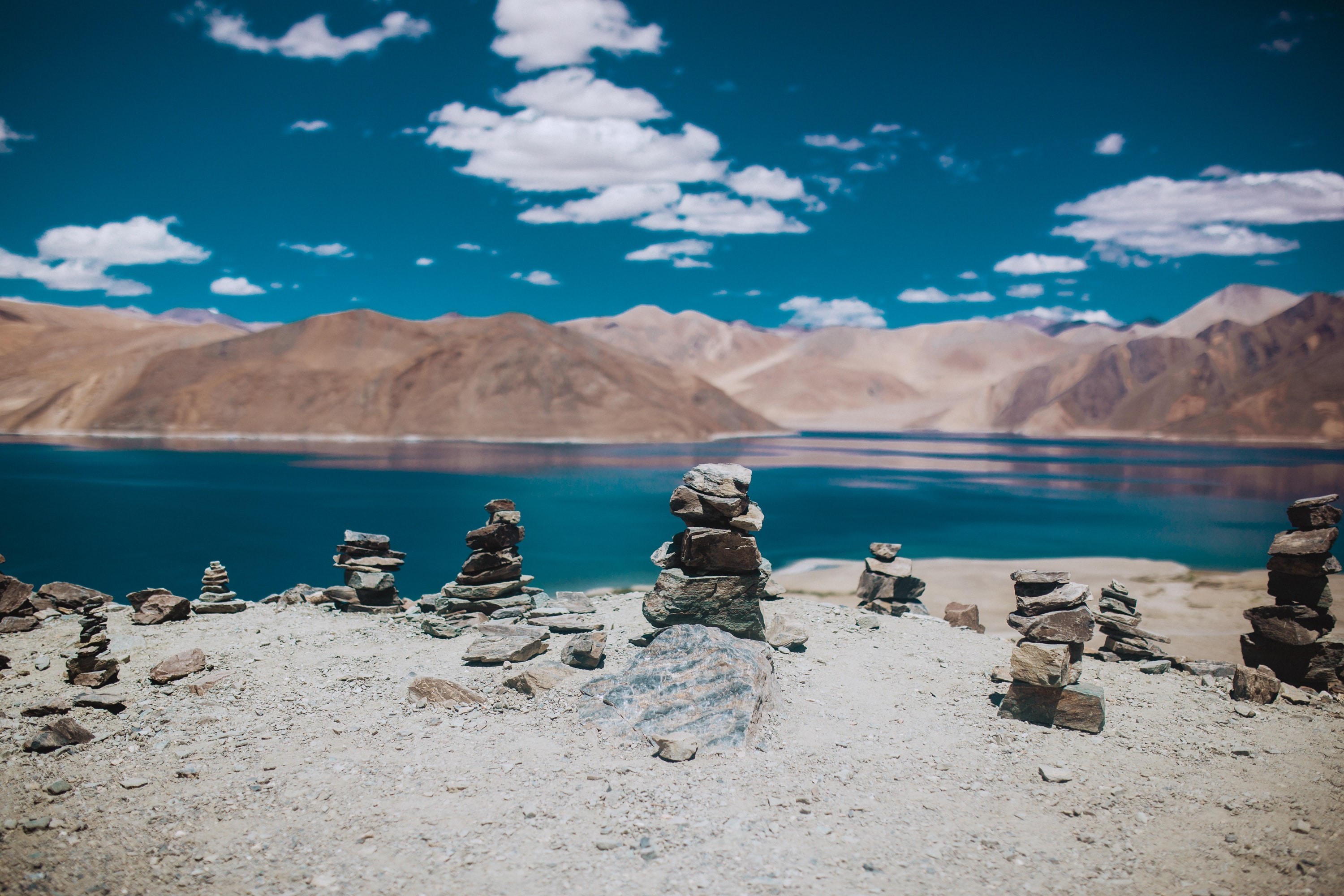
Pangong Tso
A mosaic of myriad shades of blue, the pristine Pangong Lake is perched at a height of 14,270 ft. above sea level and is said to be one of the highest brackish water lake in the world.